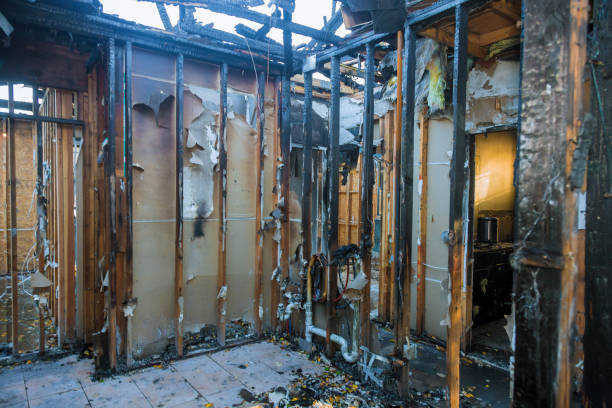
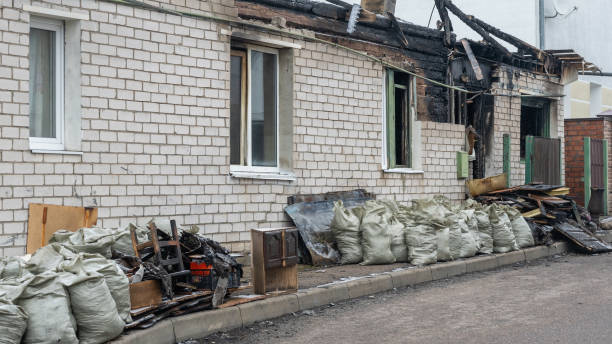
Wet smoke residue from a smoldering fire needs a different cleaning approach than dry smoke residue from a fast-burning wood fire — our Cambridge, MD technicians identify the type before choosing a method.
📞 Call +1-866-484-1409 Now
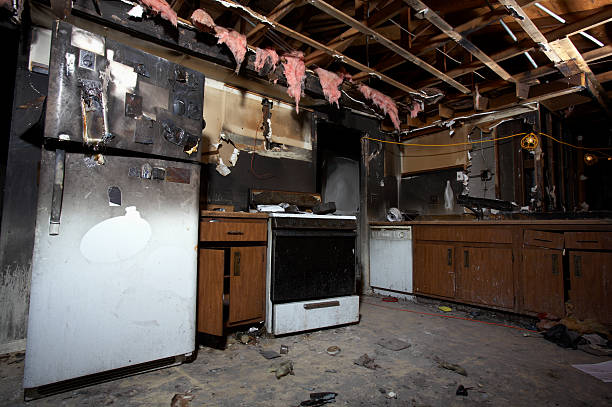
We test for protein, synthetic, or wet smoke residue before choosing a cleaning method.
Each surface in your Cambridge, MD home gets the agent suited to what's actually on it.
Full coverage on every Smoke Damage Removal job we run in Cambridge, MD.
Local crews staged near Cambridge for fast Smoke Damage Removal response.

Nearly invisible residue from kitchen and grease fires, treated with enzyme-based cleaners that break down the film.
This residue type spreads fast across smooth surfaces, so we prioritize hard surfaces first.
Residue from a smoldering, low-oxygen fire — thicker, smearier, and harder to remove than dry smoke.
Dry-chemical sponges lift this residue type without smearing it further into porous surfaces.
Smoke residue circulated through ductwork gets cleaned separately from surface work.
Upholstery and curtains get ozone or thermal treatment rather than surface wiping, which just moves residue around.
+1-866-484-1409 connects you to a live Cambridge, MD dispatcher immediately.
Mobile units carry cleaning agents for all four residue types.
Residue type identified and a written price quoted before cleaning starts.
A final inspection confirms the job matches the approved scope.
"They explained that our kitchen fire left protein residue, which was why the smell wouldn't go away even after we wiped everything down ourselves." — Homeowner, Cambridge
"Our Cambridge rental had synthetic residue from a melted appliance, and Meridian Smoke Damage's solvent treatment got it off surfaces two other cleaners couldn't touch." — Landlord, Cambridge
"They tested the residue type before doing anything, which made sense once they explained why — apparently using the wrong cleaner can make it worse." — Homeowner, Cambridge, MD
Protein residue is nearly invisible but pungent, common from kitchen fires; synthetic residue is sticky and visible, from burning plastics.
Wiping often smears residue deeper into porous surfaces — the right agent matters more than elbow grease.
Visual inspection plus a small test area tells us which cleaning method to use.
We address both, since removing visible residue doesn't always eliminate the smell.
Usually within the hour, with crews staged locally near Cambridge.
Soft surfaces need a different protocol than walls or countertops.
We keep response times short across Cambridge by staging cleaning agents for all four residue types locally.